According to Imna news agency, the Nagoya Asian Games for Iranian sports was accompanied by one of the best performances in the past few years; By winning 19 gold medals and standing in the sixth place of the medal table, the Iranian convoy climbed one step compared to the previous period in Hangzhou and increased the number of its gold medals. This success was achieved in a situation where Iranian sports, in addition to relying on its traditional strength in some traditional disciplines, witnessed the brilliance and emergence of new capacities in various disciplines.
One of the remarkable points in this period was the broadening of Iran's medal winning range, so that our country's athletes won medals in 21 disciplines. Along with disciplines such as wrestling, taekwondo and weightlifting, winning medals in disciplines such as gymnastics, paddle and electronic sports was a sign of the new capabilities of Iranian sports to participate in international arenas. However, it is not possible to evaluate a sports success only by looking at the number of medals and the final position in the table.
Once again, Nagoya revealed the old challenges of Iranian sports, such as Iran's limited share in medal-winning disciplines and the lack of presence in some team disciplines, the need to pay more attention to infrastructure, talent acquisition, exercise science, injury prevention and management of executive details. The events that happened along with athletic successes and setting valuable records also showed that in championship sports, the smallest details can affect the final result. At the moment, with the end of the Nagoya competitions, the most important question is how to turn this success from a temporary achievement into the starting point of a sustainable path; A path in which, while preserving the medal-winning disciplines of Iran's medal-winning portfolio, a specialized program is formulated for each discipline according to its capacities, needs and distance from the championship level.
Nagoya should not be just a destination on the path of Iran's sports, but it can be an opportunity to review the way of planning, identify neglected capacities and design a more scientific, diverse and sustainable future for the country's sports.
Nagoya was a step forward
Reza Shajie, member of the National Olympic Committee Regarding the performance of Iran's caravan in an interview with Imna's reporter at the Asian Games in Nagoya, he said in relation to Hangzhou: If I want to compare the performance of Nagoya with Hangzhou, in my opinion, the most important point is to increase the number of gold medals and climb the medal table. We had 13 gold medals and the seventh place in Hangzhou, and we reached the sixth place with 19 golds in Nagoya. It means that we have won six more gold medals and climbed one step, but in addition to this success, we should pay more attention to the combination of medals. The fact that a significant part of Iran's medals are still obtained from the limited basket of traditional and medal-rich disciplines is a matter for which we must have a plan.
He added: This issue has been raised in Iranian sports for several decades, and after every Olympic and Asian Games, we raise the question again, why Iran's share of medal-winning disciplines is still limited. Therefore, Nagoya was a step forward in terms of the final result, but this success should not make us ignore our structural issues. We must maintain the current successful disciplines and develop the country's medal winning portfolio.
The question is how to turn success into sustainable development
The member of the National Olympic Committee stated: I believe that the growth of medals in this period of the Asian Games cannot be limited to one factor. Part of it is the result of planning and good performance in traditional medal-winning disciplines such as wrestling, taekwondo, weightlifting and karate, and part of it is due to the emergence and strengthening of new capacities in disciplines such as rowing, wushu, kurash and electronic sports. The more important point is the expansion of the sources of medals. We won medals in 21 disciplines in Nagoya, and this is a historical record for Iran in the Asian Games. However, we are still far from reaching a diverse and stable portfolio.
He continued: In multi-medal disciplines such as athletics, swimming and shooting, there is a huge capacity to increase Iran's share. In some team disciplines such as hockey, cricket, baseball and softball, despite the country's talent and human capacity, we do not have an effective presence in Asian competitions. So I consider Nagoya Gold's growth a major success, but I don't see it as the end of the road. The main issue is how to turn this success into sustainable development of Iran's medal portfolio.
The country's championship capacity is not limited to a few traditional disciplines
Referring to the medal winning of some disciplines such as gymnastics, paddle and electronic sports, Shujee noted: I consider this event very important from the point of view of the development of sports. When Iran wins medals in disciplines such as gymnastics, paddle and electronic sports, it proves that the country's championship capacity is not limited to just a few traditional disciplines. Gymnastics has a special importance; Because it is one of the basic and effective disciplines in the development of championship sports. Paddle also shows that if we identify a new discipline in time and plan for it, we can enter the medal winning cycle from the very beginning. Electronic sports are also important to me because the new generation of Iranian athletes have shown their potential in a new international arena.
He said: “The more important thing is that we were present in Nagoya in only two electronic sports events and we won gold in one of them.” It means that a large part of the capacity of this field has not been realized for us yet. This issue is also relevant for disciplines such as sailing; A discipline that distributes a significant number of medals and can have a large impact on the medal table. Therefore, our view should go beyond the traditional disciplines; We should strengthen the current successful disciplines and identify new disciplines early, while we must enter disciplines that have a high medal-winning capacity.
Success in Nagoya was a symbol of maintaining hope and continuity
Referring to the good performance of the Iranian convoy despite the war conditions, the member of the National Olympic Committee said: This issue should be viewed carefully and without exaggeration. The fact that Iranian sports in a difficult situation has been able to perform better than Hangzhou in terms of the number of gold medals and the medal position shows the high capacity of athletes, coaches, federations and the country's sports management complex.
He added: Sports in such conditions is not just a competition for medals; It can be a symbol of maintaining hope, continuity and the ability of society to continue the path in difficult conditions. Athletes who trained in such conditions and competed on the stage showed well that it is possible to maintain the goal and motivation in difficult conditions. Of course, we should not confuse the success of a course with solving all sports problems; Rather, we should use this success to modify the structures and create a sustainable path.
We should learn from the managerial events of Nagoya
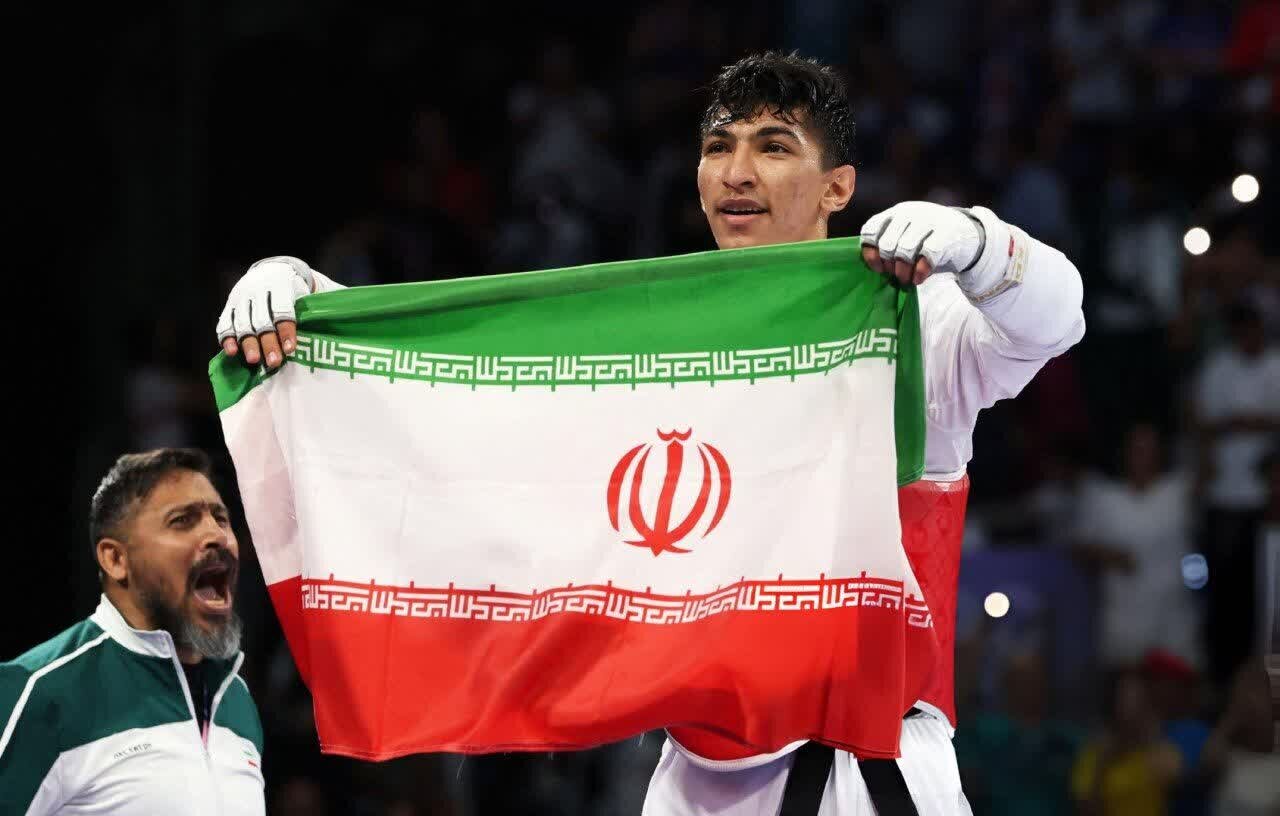
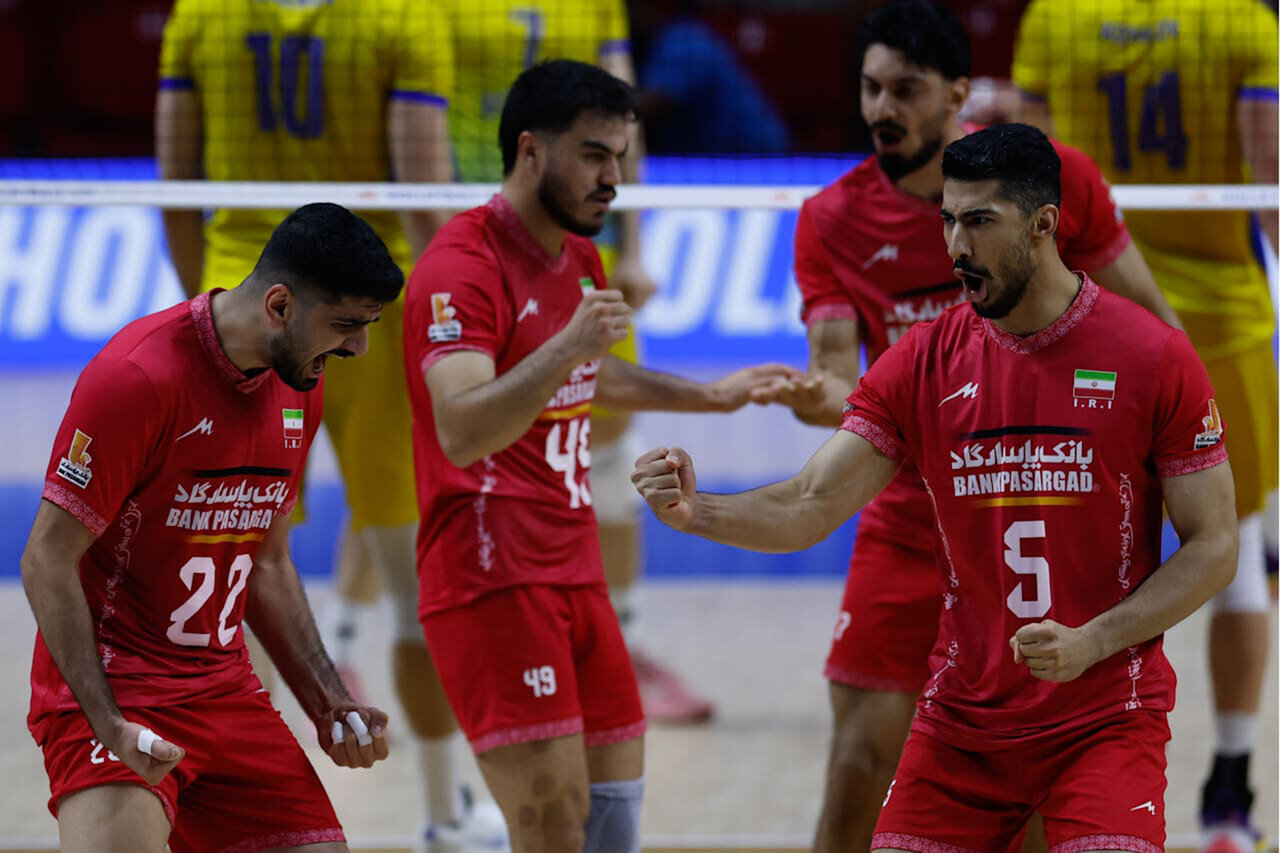
Referring to the championship of the national volleyball team, Shujee reminded: Volleyball was one of the important examples of success in Nagoya. The national team's championship and winning the gold in this discipline in the competition with the host Japan showed well that team disciplines can also play an important role in the success of the Iranian caravan, but in addition to this success, we must accept that we do not have an effective presence in some team disciplines and this is a void. The development of team disciplines requires a long-term program, talent search, domestic league and continuous participation in international competitions.
He said about the medal winning in athletics and of course the disqualification of Umbizadeh: In athletics we also had very positive events such as winning medals and breaking valuable records, but the incident related to Fatemeh Umbizadeh is a serious management warning. In championship sports, not only physical and technical preparation is important; Executive details, knowledge of the rules, equipment and pre-race controls must also be handled with the same seriousness. These events remind us that for sustainable success, we need to have a complete system of athletic performance, not just focusing on race day.
One of the major challenges of Iran's championship sports is sports injuries
Referring to Iran's sports planning for the next four years, the member of the National Olympic Committee emphasized: the important issue is that we still haven't designed different versions for different disciplines. We need specialized versions for each sport and according to the conditions, capacity and distance of that field with the desired level. I consider at least three different strategies necessary for fields. The first group are fields that need to go back and rebuild the development path; That means we have to start with finding scientific and specialized talents. In these fields, we cannot expect the results to change with the same methods as in the past. The system of finding talent, developing talent and transferring athletes to higher ranks should be redesigned based on data, science and expertise.
He said: The second group of disciplines in the final region are sports that are not far from the podium and sometimes they only have to convert silver medals into gold. Here, it is no longer just about increasing practice. Knowledge of training science, training load control, recovery, nutrition, sports psychology, data analysis, and especially specialized monitoring of athletes become important. Without the use of current knowledge and continuous monitoring, it is very difficult to achieve performance stability and cross the border between silver and gold. In this section, in my opinion, one of the major challenges of Iran's championship sports is sports injuries.
Nagoya could be the beginning of a serious change
Shajie reminded: Part of these injuries can be caused by non-specialized exercises, disproportionate training load, lack of up-to-date knowledge of some coaches and the preponderance of result-oriented view on the preparation process. Injury prevention should be transformed from a purely therapeutic issue to one of the main pillars of athlete performance management. The third group are fields whose main problem is infrastructure, equipment and specialized facilities. In these fields, if the necessary infrastructure and standard equipment are not provided, it is not realistic to expect a different result. We have to accept that in some disciplines, with the existing conditions, a better result than what we see today is not achieved, and to change the result, we must first change the conditions of producing the result. Along with these three strategies, we must have a serious plan to develop Iran's medal portfolio.
He said: disciplines such as athletics, swimming and shooting distribute a large number of medals and Iran's share of this capacity should increase. Also, we should have a plan for a more serious presence in disciplines such as sailing and electronic sports and the development of team disciplines such as hockey, cricket, baseball and softball. Therefore, the plan for the next four years should not be a single version for all sports. For each discipline, we must determine what is the main issue, where is our gap with real capacity and what intervention can reduce this gap. The version of each field should be developed based on the data, actual capacity, functional gap and specialized requirements of that field. If we follow this perspective, we can transform Nagoya from a temporary success to the starting point of a serious change in the planning system of Iran's championship sports.
The importance of Nagoya is not only summarized in the medal table
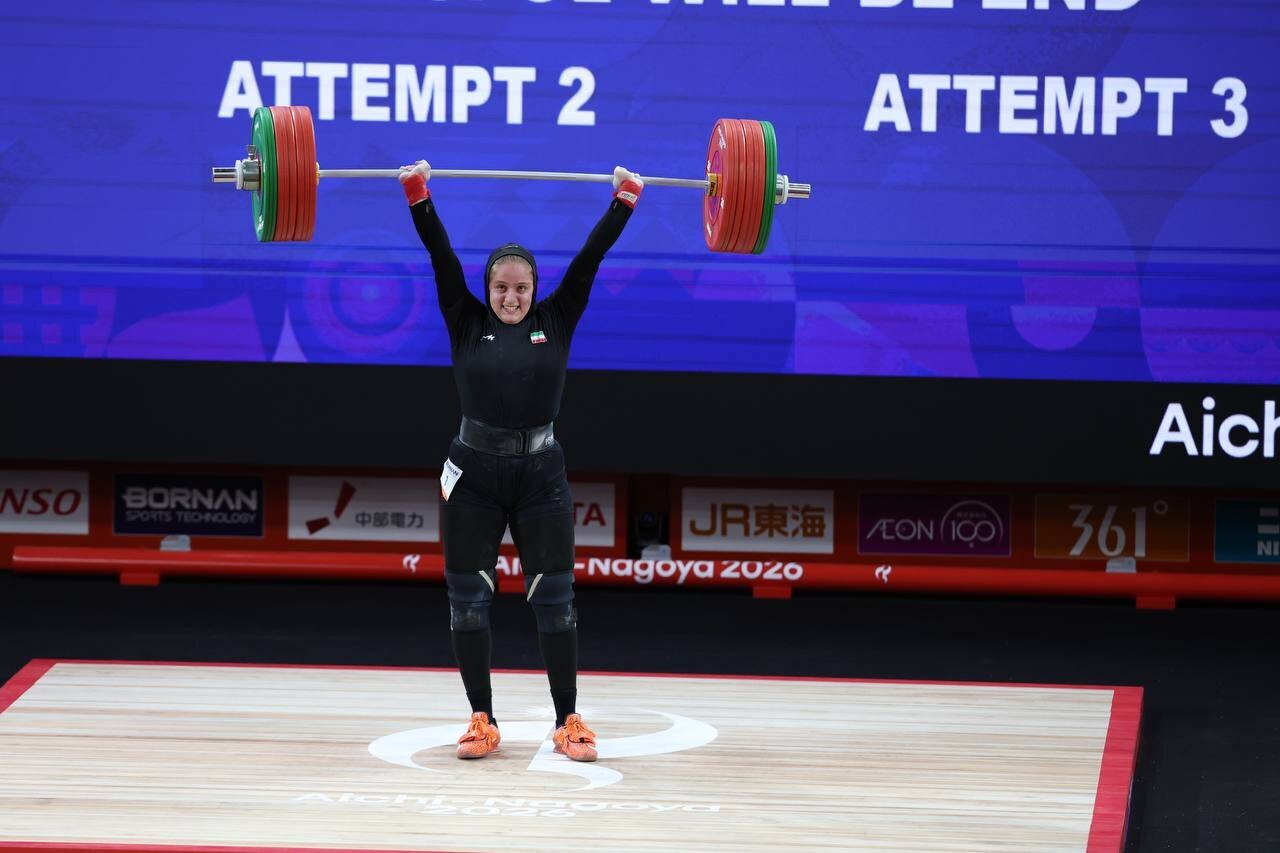
The member of the National Olympic Committee added: In the end, I sincerely thank all the athletes, coaches, technical staff, federations, managers and all the people who worked hard for Iran's successful presence in Nagoya. 19 gold medals and 6th place is a valuable achievement, but for me the importance of Nagoya is not only summed up in the medal table. These games showed that there are more capacities in Iranian sports; Capacities that, if properly identified and managed, can change the future of the country's sports.
He stated: This success increases our responsibility. We have to ask ourselves why we still have a limited share of high-medal disciplines, why we are not present in some team disciplines, and why in some disciplines, despite being close to the championship level, we cannot stabilize the performance. I have hope for the future of Iranian sports, but this hope must be accompanied by a plan, knowledge, investment and reform of structures. If we learn from Nagoya, we can plan not just to preserve 19 golds but to build a more diverse, scientific and sustainable sport. I say goodbye to all Iranian champions and I hope this success is the beginning of a new path for Iranian sports.
According to Imna, Nagoya was not only a success in the medal table for Iranian sports; Rather, it presented an image of the existing capacities and the paths ahead. Maintaining the achievements of this period, developing the medal winning portfolio and paying attention to science, infrastructure and specialized planning, can turn this success into the starting point of a sustainable transformation in Iranian sports.