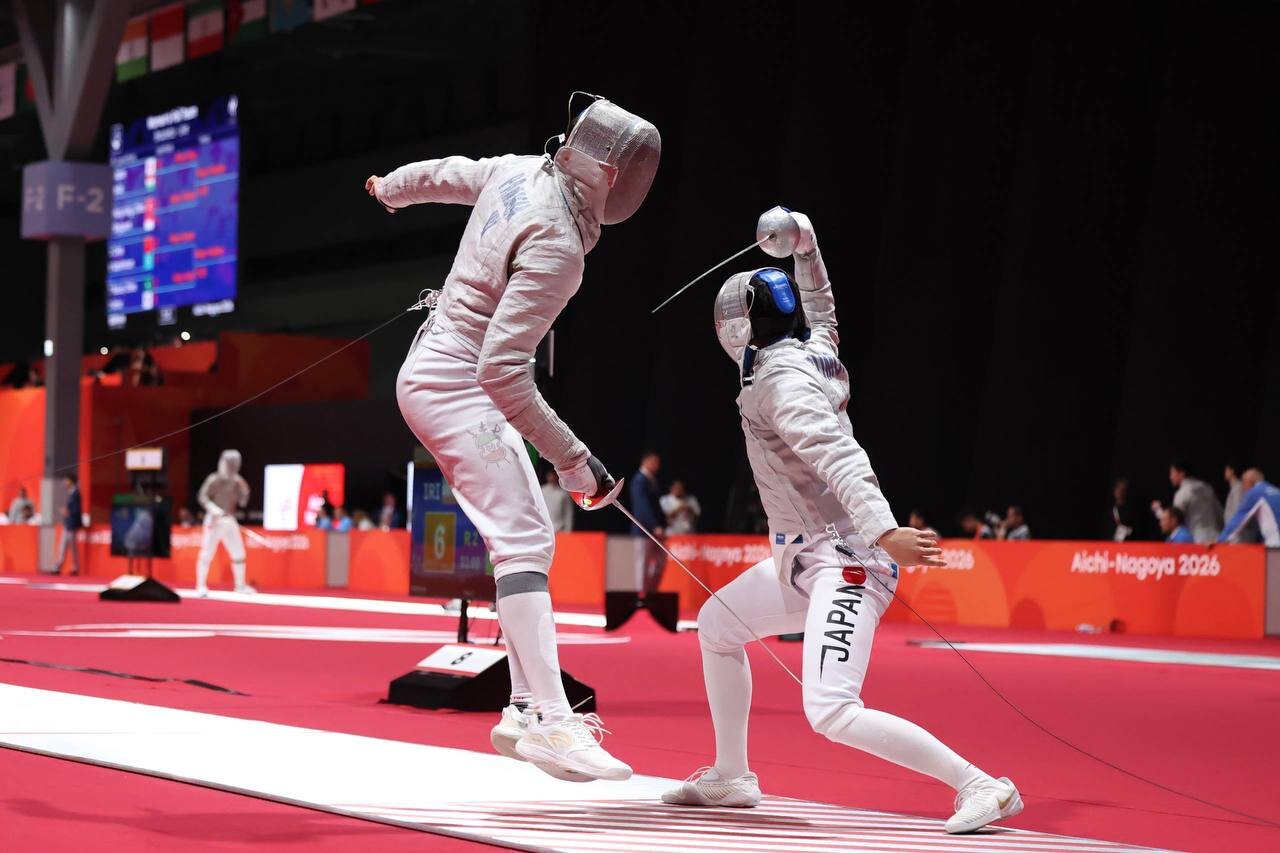
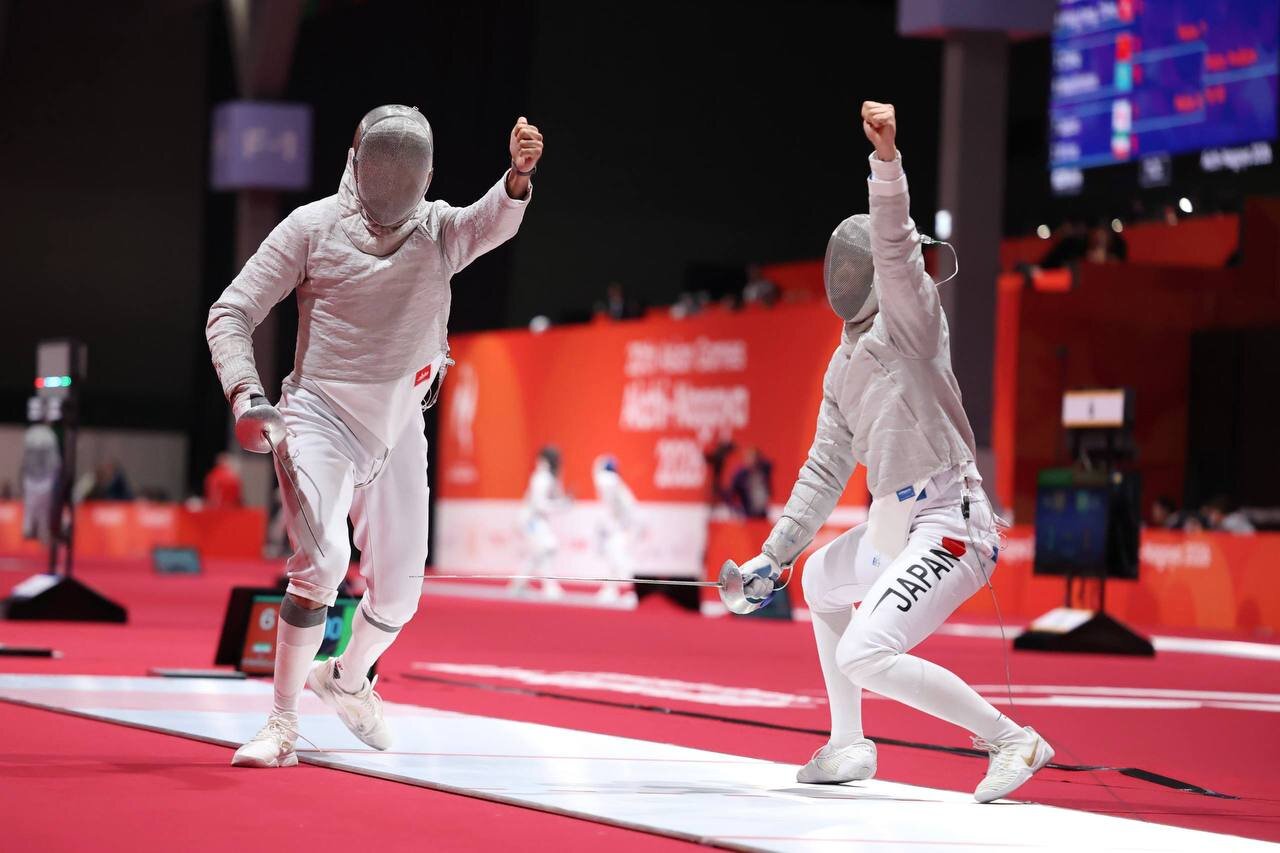
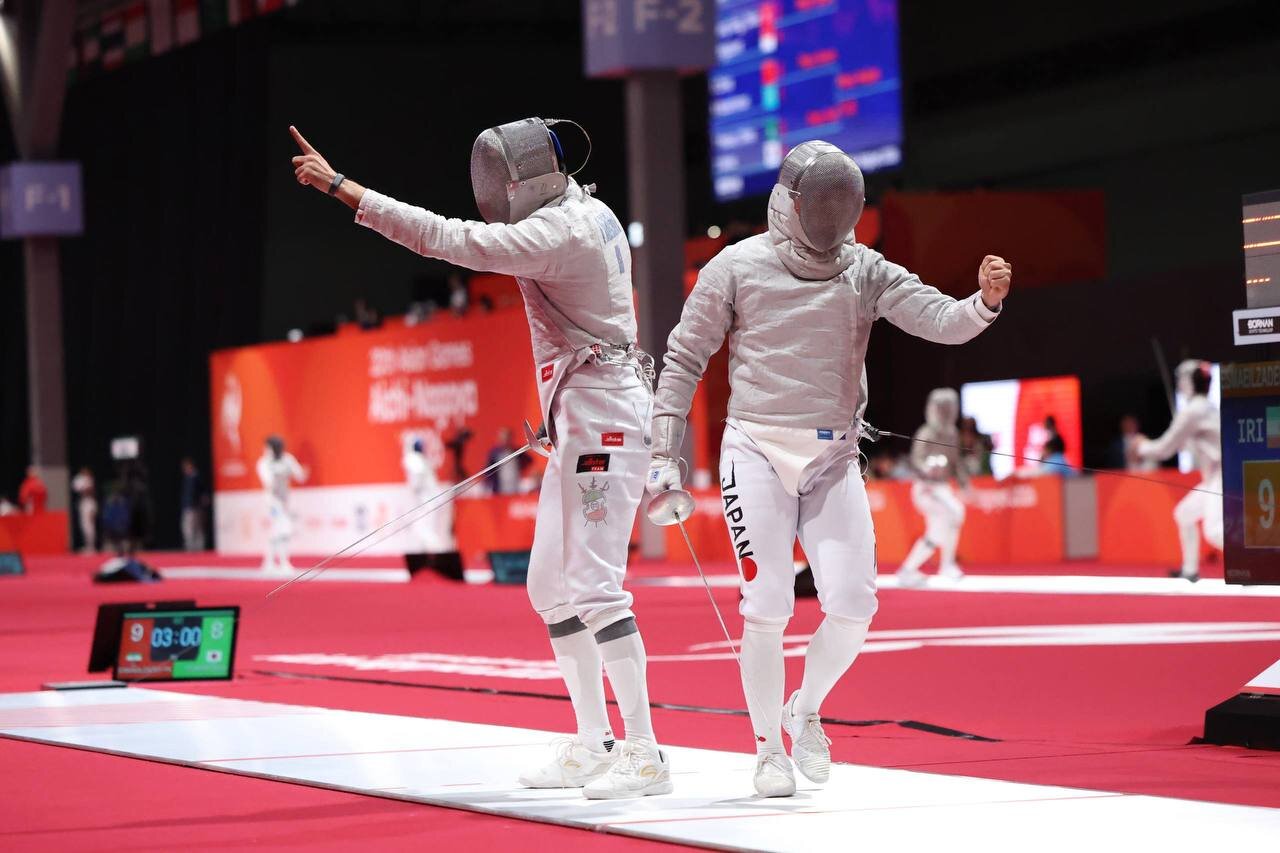
According to Imna news agency, the 2026 Aichi-Nagoya Asian Games ended in a situation where Iranian fencers faced off against their Asian rivals in saber, and Ali Pakdaman was able to win the bronze medal in individual fencing, Iran's only fencing medal in this period of games. Mohammad Fatuhi also represented Iran in the men's saber individual division and Najme Sazanjian competed in the women's saber individual division. In the men's team competition, the Iranian team with the combination of Ali Pakdaman, Mohammad Fatuhi, Nima Zahedi and Taha Kargarpour participated, but failed to advance to the semi-finals after losing against the host Japan.
In addition to the results of the athletes, the quality of refereeing, the way of monitoring the judgments and the effect of the referees' decisions on the fate of the matches were important issues of this period. Reza Pikarara, Iran's international fencing referee, judged the men's team saber final match between South Korea and Japan in the Nagoya Asian Games. A sensitive match that ended with the championship of South Korea; Pikerara, who was previously selected as the best fencing referee in Asia between 2022 and 2024, spoke to Imna about the level of refereeing in Nagoya, the conditions of judging in Iranian fencing competitions, the changes in the rules of this discipline and the state of refereeing in the country, which you can read in detail below:
Imna: How do you evaluate the judging level of the Nagoya Asian Games fencing competitions?
Figures: In my opinion, the quality of judging in this period was much better compared to the past several periods and especially in recent years, the complaints of the teams have significantly decreased and this issue was especially noticeable in the saber weapon; During this period, the World Federation also had more supervision over the process of holding competitions. According to what I heard, the initial list of judges and even the executive staff had changes so that the competitions reach a better quality, but overall, in the World Championship and Olympic competitions, almost most of the judges have very high experience and go through strict filters to reach the level of judging in these competitions.
On the other hand, in competitions such as the Asian Championship and the Asian Games, referees are usually divided into two groups, the first group are very experienced referees who have a long history, and the second group are referees who are at an acceptable level, but do not have as much experience as the first group; In this course, I also observed these two levels of judging experience, in each weapon, there were about three to four very experienced judges who had the experience of judging in the World Championship or Olympic competitions, and the other judges were also at an acceptable level, but their experience was not as high as the first group.
In my opinion, the management that was done in the field of supervising the judges was also desirable, for example, in saber weapons, considering that according to the technical committee, there were four very experienced judges, the competitions were held on four tracks instead of being held simultaneously on eight tracks in order to use more experienced judges as the main judges and to minimize the amount of protests and complaints.
In the event that the Flore and Epe gun competitions were held simultaneously on eight tracks, because the number of experienced judges in these two weapons was more, efforts were made in the way of managing and planning the competitions to provide conditions that would cause the least amount of protests and complaints; This issue was something that I felt and witnessed during the tournament. In my opinion, overall, the quality of judging this course was better than the previous ones.
Of course, in order to reach a more comprehensive evaluation, the opinion of the athletes, coaches and supervisors of the participating teams should also be sought. Of course, a team that is open may express some of its dissatisfaction to the referee, but overall and considering the results of the competition, I think the results were fair and the countries with the most power in each weapon were able to win the most medals.
Imna: In the last Olympics, the issue of unfairness and the effect of some judges' decisions on the performance of the Iranian national fencing team was considered. Was there such a situation in the Nagoya competitions and to what extent did the judgments affect the performance of the Iranian representatives?
Figures: Regarding the injustice and wrong judgments that we witnessed especially in the past tournaments and to the detriment of the Iranian team, I must say that in this tournament, according to the conversations I had with a number of players and some members of the executive staff after the competition, as well as what I observed during the tournament, some wrong shots were judged, especially in the saber weapon; However, it didn't seem like these things were intentional, mistakes like that happened to both sides and ultimately didn't, I believe, have a decisive effect on the final outcome.
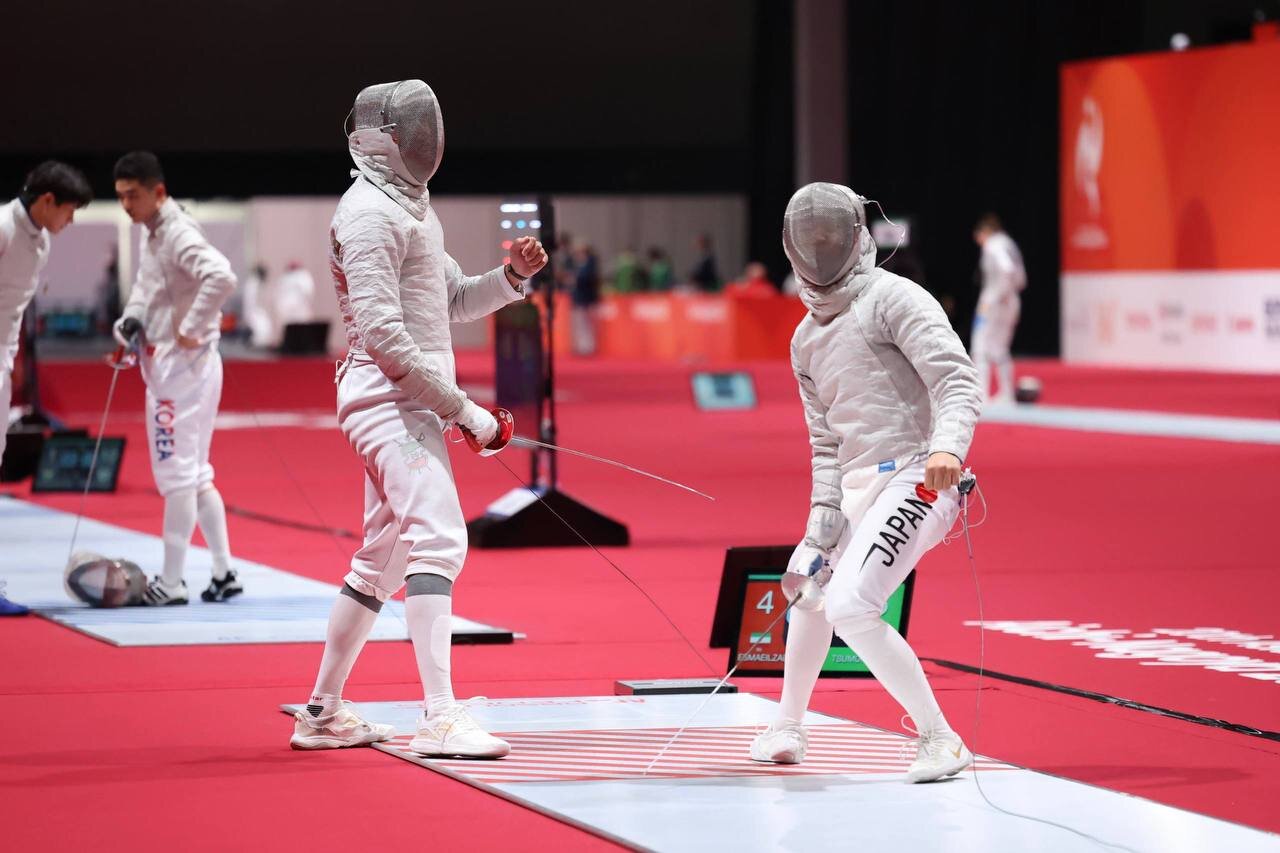
In the team section, in the last match of the Iranian team, which gave up the result, I did not see the judgments as unfair. In the individual competitions, whether in the qualifying round or the elimination round and the stages in which our players played and lost, I don't think it can be said that there was any particular injustice, I had this feeling about many other teams as well. That is, overall, in my opinion, there was the least amount of mistakes in this course of the tournament.
Due to the fact that I myself was part of the judging staff, I closely witnessed the process of monitoring the performance of the judges, regular meetings were held on a daily basis and there was a strict supervision of the performance of the judges; In these meetings, it was repeatedly emphasized that the judges should be the most focused and try not to make mistakes in their judgments, it was also always emphasized that the total number of medals is very important for the countries; Because overall, the medals won in the Asian Games, such as the Olympics, are important in calculating the countries' position.
I even witnessed referees who inadvertently made a mistake or did not make the right decision, were not selected as the main referee in the next round, or were even banned from judging on the same day and the following days. Anyway, they tried to manage the situation in such a way that the best thing happened in terms of the quality of the judgments.
Of course, it should be noted that especially in the saber weapon, the speed of execution of blows is very high, and sometimes the referees have different opinions about a movement. If the referee does not have enough experience or the necessary concentration, this mistake will be inevitable; However, if I want to say that a significant injustice happened during this period, especially against the Iranian national team, I do not have such an opinion, considering the conversations I had with the players themselves and what I observed during the matches.
Imna: Have the fencing rules changed compared to last year? How do these changes affect the process of competitions and the way of judging?
Figures: Every year, the World Fencing Federation tries to make changes in the rules to improve them and make them more understandable, especially for spectators who are not familiar with this field; Some of these changes are made based on the proposal of the national federations, and the other part is considered according to the events that happen during the competitions and the proposals presented by the active committees. The World Federation tries to improve the rules and raise the level of the competitions.
For example, in previous eras, if a player lost his attack and dropped his sword, he would normally be penalized with a yellow card, but this would not result in any points for the opposing player, and as a result, the player who had dropped his sword would be given a chance to continue the match again.
The World Federation changed this issue in the new rules that it has implemented in the last few years, and based on this change, if the referee determines that the player intentionally dropped his sword after missing the attack, he must show him a red card; That means the opposite player gets one point.
Other changes are made in different parts of the rules and the World Federation tries to improve the level of the competition with these changes, for example, changes have been made in the way of calculating the time and dealing with conditions that do not hit the body during the competition, these changes were noticed, including in the Asian Games, and their goal was to make the competitions more active and attractive, especially for television viewers.
In the past, when there was no blow to the body during one minute, a yellow card was given first, and then, in the next stages, a red card and a black card were considered in the third minute. In the new rules, the yellow card is removed in this process and a red card is given directly; Therefore, a one-minute step has been reduced from the process, this change makes the match more dynamic and more attractive for the TV viewer, in general, every year the World Federation tries to make such changes to improve the rules and increase the appeal of the matches.
Imna: With the start of Iran Fencing League approaching, how do you evaluate the level of refereeing in the country? Where are Iranian judges in terms of technical knowledge and international experience?
Figures: The level of refereeing in Iran is improving every year compared to last year, and several reasons can be put forward for this progress, firstly, we see more competitions held every year, as a result, more referees appear to judge in competitions and have more opportunities to gain experience, this issue increases the practical experience of referees.
On the other hand, the World Federation and the Iranian Referees Committee are trying to provide the country's referees with the latest information, updating the knowledge related to refereeing rules and methods is one of the important issues in improving the technical level of referees. Another issue that we can clearly see is the increase in the number of people who participate in international refereeing exams. In recent years, a significant number of Iranian referees, men and women, have succeeded in these exams and received their international refereeing certificate.
If we look at the list of international referees, we will notice that the number of Iranian referees in this list has increased compared to previous years, and Iranian referees are invited to judge in international competitions in both men's and women's divisions. This growth is especially visible in the women's section, in recent years, more female referees have been able to receive international qualifications and their presence in international competitions has also increased.
Of course, we still need more work and gaining experience must continue, updating information must also be followed continuously, but I can say that Iran is one of the renowned countries in terms of refereeing, both in the Asian continent and globally, and we have good referees who judge the competitions.
Naturally, when a country has high-level international referees and a larger number of its referees can successfully pass international tests, this issue will also affect the level of domestic refereeing. The experience that referees gain in international competitions certainly has an effect on the quality of domestic refereeing.
Imna: Last year, a significant event happened and a number of female referees judged the men's fencing league competitions. How do you evaluate this incident and what effect does the presence of women in judging men's competitions have on the development of refereeing in the country?
Figures:According to the arrangements that were made and the platform that was provided for this issue, last year we saw that a number of female judges from our country judged in men's competitions; Of course, there was experience of women judging in men's competitions before, in a more limited way and at lower levels, but last year, in very important competitions such as the national league and national championships, female referees were able to provide very good judgments even at higher levels.
In my opinion, this event will not only increase the level of women's refereeing in the country, but it will also help men's competitions. The more experienced, expert and technical referees there are in the competitions, the quality of the competitions will also increase. I hope that in the future we will see the continuation of this trend and the wider presence of female referees in the men's competitions.
As I said in the previous part of my speech, compared to previous years, Iranian female referees have had more opportunities to participate in international refereeing tests and have been able to pass these tests successfully. A large number of them have received international judging credentials and have even been invited to judge in world competitions and competitions held under the auspices of the International Fencing Federation.
These judges have also participated in international competitions and we have witnessed very good judgments from them. I hope this will continue in the future on a wider level and more opportunities will be provided for the presence and professional activity of Iranian female judges in domestic and international competitions.